Why travel safety courses for solo travelers are becoming essential
Solo travel is no longer a niche trend reserved for the bold. As more solo travellers, and especially women, choose to travel independently, structured travel safety courses for solo travelers have become a practical investment rather than a luxury. These programmes help you keep your independence while learning how to stay safe in unfamiliar places.
Industry reports from firms such as Allied Market Research and Future Market Insights estimate that the global solo travel market could exceed 450 billion USD in value by 2030, which shows how many travelers are now planning to visit the world alone. With that growth comes a rise in risk exposure, from lost or stolen documents to gaps in travel insurance coverage and misuse of public transportation systems. Travel safety training responds to this reality by turning vague safety tips into concrete, repeatable habits that you can apply in any states, regions, or cities you choose to explore.
Specialist providers such as Global Travel Academy, Intertek Cristal (part of Intertek Group), and other recognised travel risk management organisations now offer online programmes tailored to solo traveler needs. Their courses blend video lessons, interactive modules, and real case studies to show how safe travel decisions are made in real time, not just in theory. When you understand how experienced solo travellers assess risk, you can find your own balance between caution and curiosity while travelling.
Core skills you gain from travel safety courses for solo travelers
Effective travel safety courses for solo travelers focus on practical, repeatable skills. You learn how to research a travel destination, read local crime patterns, and evaluate accommodation options with a safety lens rather than relying only on glossy photos. These skills matter whether you are travelling across the United States or taking public transport in a small coastal town.
Good programmes teach you how to keep your passport, credit card, and cash secure in crowded markets, train stations, and on public transportation. You practise what to do if your phone is lost or stolen, how to use a basic first aid kit, and how to contact an embassy, consulate, or State Department emergency line when you need urgent help. Many courses also include integrated modules on digital safety and emergency communication, showing how social media posts can unintentionally reveal your location to strangers while you are traveling alone and how to store key contacts safely.
Another core element is communication in the local language, even if you only learn key phrases related to health, directions, and emergency support. Knowing how to ask for safe drinking water, how to find a hospital, or how to explain an injury can transform a stressful situation into a manageable one. For aspiring travel professionals, these skills also translate into better guidance for future clients who want to travel solo with confidence.
Designing a niche travel business around solo travel safety education
If you want to start a travel business, solo travel safety is a powerful niche. You can build a consultancy that helps solo travellers plan safe itineraries, choose appropriate travel insurance, and understand local safety norms before they visit a new region. This kind of service is especially valuable for women and first time solo traveler clients who feel nervous but determined.
One model is to create online workshops that complement existing travel safety courses for solo travelers by adding destination specific insights. For example, you might specialise in safe travel planning for backpackers using public transport in Latin America, or for volunteers travelling to remote areas with limited water and medical facilities. Resources on how student and volunteer travel builds future travel professionals can inspire you to integrate training for young travellers who want both impact and safety.
Another opportunity is to offer pre departure safety audits for clients’ trips, reviewing their accommodation choices, planned use of public transportation, and communication plans with family. You can help them find app tools that store emergency contacts, embassy and consulate details, and travel insurance policy numbers offline. Over time, your expertise in travel safety, risk assessment, and solo travel planning can position your brand as a trusted reference for safe travel education.
Building products and services that support safe solo travel
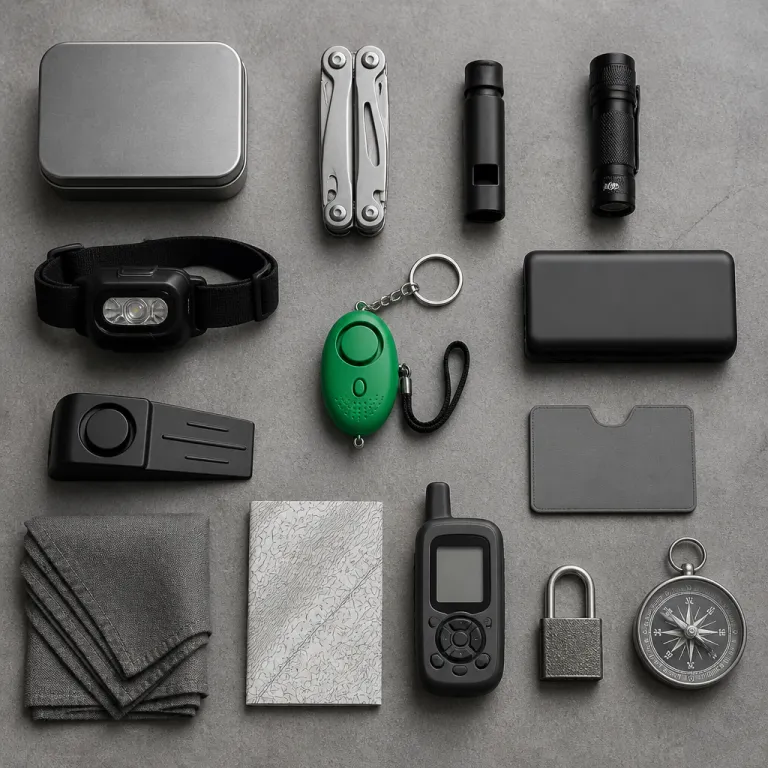
Beyond consulting, there is room to design concrete products that support solo travellers in their daily travelling routines. Curated safety kits that include a compact first aid kit, photocopies of key documents, and guidance on safe water practices can be sold as add ons to travel bookings. You might also create digital checklists that help travellers keep track of safety tips before, during, and after each trip.
Another product idea is a subscription based platform that aggregates travel safety courses for solo travelers, vetted travel insurance options, and local safety briefings. Members could access destination specific advice on using public transportation, understanding local language basics, and navigating states or regions with higher risk profiles. For travellers from the United States, you could integrate State Department advisories and embassy or consulate contact details directly into their dashboards.
Service wise, consider offering one to one coaching for solo traveler clients who need personalised guidance. Sessions might cover how to use social media safely while traveling, how to find reliable local accommodation, and how to respond to an emergency without panicking. By combining education, tools, and emotional support, your travel business can help solo travellers feel both prepared and free.
Operational best practices for a solo travel safety focused business
Running a travel business centred on travel safety requires disciplined operations. You need clear protocols for verifying information about local risks, public transport reliability, and accommodation standards before sharing any tips with clients. This means building a network of trusted local partners and regularly reviewing State Department or similar advisories for the regions you cover.
Financially, you should maintain transparent policies around travel insurance recommendations and relationships with insurance companies. If you receive commissions for referring clients to specific travel insurance providers, disclose this openly and focus on matching each solo traveler with policies that genuinely fit their style of travelling. Encourage clients to use a dedicated credit card for bookings, both for fraud protection and for easier tracking if something is lost or stolen during the trip.
From a training perspective, invest in recognised travel safety courses for solo travelers for yourself and your team. Programmes from organisations such as Global Travel Academy or Intertek Cristal can deepen your understanding of emergency response, safe travel planning, and health precautions like safe water use. For example, a four hour “Solo Traveler Risk Essentials” module might cover situational awareness, document security, and basic first aid, while a two week “Digital and On the Ground Safety” course could focus on social media privacy, secure payments, and crisis communication. When your own skills are current, your advice to solo travellers and women traveling alone carries more authority and earns long term loyalty.
Marketing your solo travel safety expertise with integrity
Marketing a safety focused travel business demands a careful balance between realism and reassurance. Your messaging should acknowledge genuine risks that solo travellers face without using fear to pressure them into buying courses or services. Emphasise empowerment, showing how structured training and clear safety tips can turn anxiety into informed confidence.
Social media can be a powerful channel when used thoughtfully, especially for reaching women and younger travellers who are planning to travel solo for the first time. Share practical micro lessons on topics like using public transportation safely at night, choosing secure accommodation, or preparing a first aid kit for long bus journeys. Case studies from clients who successfully handled an emergency thanks to your guidance can illustrate the ROI of travel safety courses for solo travelers without exaggeration.
To deepen your authority, publish detailed guides on topics such as how to start a travel agency focused on solo travel safety, linking to resources that explain the path from idea to first paid booking. Host live Q&A sessions where solo travellers can ask about travel insurance, embassy and consulate support, or how to find app tools that store emergency data offline. One client story might describe a first time solo traveler who used your pre departure checklist to store passport scans, emergency numbers, and insurance details, then calmly accessed them after a bag theft abroad. Over time, consistent, honest communication builds trust and positions your brand as a reliable ally for safe travel and sustainable travelling careers.
Key figures shaping the future of solo travel safety education
- Analysts estimate that the solo travel market could reach more than 450 billion USD in annual value by 2030, indicating strong long term demand for travel safety courses for solo travelers and related services (based on aggregated forecasts from Allied Market Research and similar firms).
- Specialist providers such as Global Travel Academy, Intertek Cristal, and other accredited travel safety organisations now offer structured programmes that combine online video lessons, interactive modules, and community forums, which reflects a clear shift from informal safety tips to formal training.
- Many of these courses are available globally through online platforms, which means solo travellers can access safety education from any country before they visit higher risk destinations.
- Course durations range from short modules lasting a few hours to multi week programmes, allowing both new and experienced travellers to choose the depth of training that matches their needs.
- Growing emphasis on digital security within travel safety curricula responds to the widespread use of social media and mobile apps, which can expose location data if not managed carefully.
FAQ : travel safety courses for solo travelers
Are travel safety courses for solo travelers suitable for first time travellers ?
Yes, these courses are designed for both beginners and experienced travellers. First time solo travellers benefit from structured guidance on topics like travel insurance, emergency planning, and safe use of public transport. The step by step format helps them keep calm and make better decisions when travelling alone.
Do travel safety courses for solo travelers provide certifications ?
Many reputable providers offer certificates upon completion of their programmes. A certificate in travel health and safety can strengthen your profile if you plan to work in the travel industry or start a travel business. It also signals to clients that you have completed formal training in travel safety and risk management.
Can I access these courses from outside the United States ?
Most travel safety courses for solo travelers are delivered online, so you can enrol from almost any country. Lessons, quizzes, and community forums are usually accessible on laptops, tablets, and phones with a stable internet connection. This global access allows you to prepare for safe travel long before you arrive in a new destination.
What topics do solo travel safety courses usually cover ?
Typical curricula include personal safety tips, situational awareness, and emergency response planning. You also learn about travel insurance, dealing with lost or stolen documents, using public transportation safely, and communicating with an embassy, consulate, or State Department service when needed. Some courses add modules on digital security, social media privacy, and cultural awareness in the local language.
How do these courses help women who are traveling alone ?
Courses tailored to women address gender specific risks such as harassment, unwanted attention, and accommodation safety. They teach strategies for setting boundaries, choosing safe travel routes, and using local support networks when travelling. This targeted guidance helps women feel more confident and better prepared to travel solo in diverse cultural contexts.