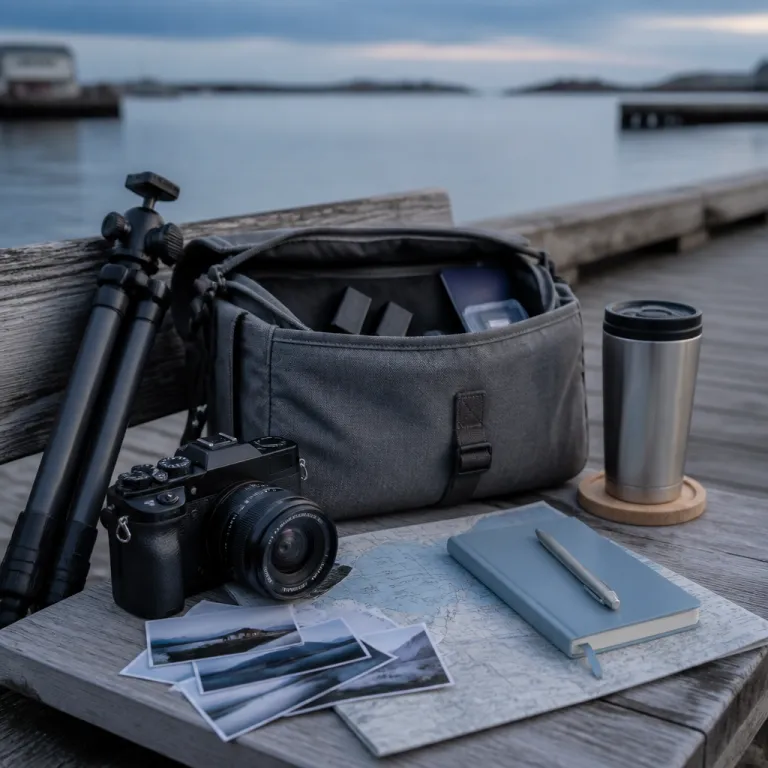
Building a solid foundation in travel photography
Travel photography begins long before you lift your camera to your eye. When you plan your journeys with images in mind, you naturally arrive at the right place at the right time for the best light. This mindset turns every day on the road into a creative workshop where each frame becomes a deliberate shot rather than an accident.
For people seeking travel photography tips for beginners, start by accepting that photography is a craft that rewards patience and curiosity. You will improve faster when you treat every subject as a story, asking what emotion, detail, or gesture you want to capture before pressing the shutter. This simple habit will help you avoid random travel photos and instead build a coherent visual narrative of the people and places you visit.
Most beginner travel photographers rely on a smartphone camera, and that is perfectly valid for both a single photo and entire projects. A 2023 report from the Camera & Imaging Products Association and several major phone manufacturers indicates that well over two thirds of travelers now use phones as their main camera, which highlights how powerful pocket devices have become for travel photography. Whether you use a phone, a compact model, or a full frame body, the best camera is always the one you know well enough to operate quickly when the light changes or a fleeting subject appears.
Essential photography gear and settings for confident beginners
Thoughtful photography gear choices will help you travel light while staying ready for almost any subject. For most travel photography situations, one versatile zoom lens and one small prime lens offer the best balance between flexibility, image quality, and weight. This compact kit keeps your camera accessible during the day so you do not miss a shot while traveling between one place and the next.
When you study beginner travel photo advice, you will see constant references to shutter speed, aperture, and ISO, which together control exposure and creative effects. A fast shutter speed such as 1/500 s will usually freeze moving people in street photography, while a slower shutter speed around 1/30 s can capture motion blur from traffic or waterfalls if you hold the camera steadily. Use a wide aperture like f/2.8 to create shallow depth of field for portraits, and a narrower aperture such as f/8 when you want sharp travel photos from foreground to background.
Many cameras now offer helpful guides that explain how aperture, ISO, and shutter speed interact, so use these tools as a built in guide to travel settings. If you own a full frame camera, you gain extra control over depth of field, but even a small sensor camera can produce excellent photography travel images when used thoughtfully. Carry spare batteries, memory cards, and a simple lens cleaning cloth, because this minimal photography gear will help you keep shooting when conditions change unexpectedly.
Mastering light, timing, and composition on the road
Light and timing shape every travel photo more than any camera specification. The golden hour shortly after sunrise and before sunset offers soft, directional light that will help you capture rich colours, gentle shadows, and flattering portraits of people. When you cannot shoot at sunrise or sunset, look for open shade or reflected light that softens harsh midday contrast.
Among the most powerful travel photography tips for beginners is learning the rule of thirds, which suggests placing your main subject along imaginary grid lines rather than in the exact centre. Many cameras and phones display this grid overlay, so activate it and practice placing horizons, buildings, and people on those lines to strengthen your composition. Combine the rule of thirds with leading lines such as roads, rivers, or railings that guide the viewer’s eye through the frame and toward your subject.
Thoughtful composition transforms ordinary travel photos into images that feel intentional and elegant. Use foreground elements like doorways, arches, or foliage to add depth of field cues and create layers within the shot, especially when photographing a famous place that has been captured millions of times. When you have more time at a location, walk around your subject, change height, and experiment with both vertical and horizontal photos until the composition feels balanced and expressive.
Working respectfully with people, culture, and street photography
Travel photography often centres on people, and respectful behaviour will help you create more authentic photos. Before raising your camera, take a moment to connect with your subject, offer a smile, and if possible ask permission, especially in close street photography situations. This simple courtesy turns a potentially intrusive shot into a shared experience that both photographer and subject can appreciate.
When you practice beginner travel camera techniques in busy streets or markets, keep your camera ready with a moderate shutter speed and a slightly higher ISO so you do not miss spontaneous moments. Street photography during the day benefits from a shutter speed of at least 1/250 s to freeze gestures, while evening scenes may require 1/125 s or slower combined with careful handholding. Use a wider aperture to separate your subject from the background, creating a pleasing depth of field that highlights expressions and interactions.
Always respect local customs, religious sites, and private spaces while traveling, because no photo is worth offending your hosts. Researching etiquette before you travel will help you understand when photography is welcome and when it is inappropriate, especially in sacred or sensitive places. When in doubt, lower the camera, enjoy the moment with your own eyes, and remember that the best travel memories sometimes live outside the frame.
From single images to visual storytelling for travel brands
As you refine your travel photography, you may wish to support travel brands or tourism boards through social media storytelling. For people who want to improve skills and knowledge in travel and tourisme, learning to think like a travel photographer working for a brand means planning sequences of photos rather than isolated shots. Each day of traveling becomes an editorial assignment where you capture the place, the people, the food, and the small details that define the experience.
Effective photography tips for social media begin with clarity about your subject and audience, because this will guide travel narratives that feel coherent and persuasive. A strong series might start with a wide establishing shot of a city, move to medium views of cafés or markets, and finish with close up photos of textures, hands, or local crafts. This layered composition approach mirrors professional guide travel content and will help followers imagine themselves inside the scene.
When collaborating with travel brands, consistent editing and colour treatment across your travel photos reinforces recognition and trust. Use the same camera profile, similar contrast, and related tones so that your photography travel feed looks curated rather than random. If you want to deepen your research skills as a future travel photographer, study professional planners’ methods for verifying information and logistics through resources such as this detailed guide on how to find reliable travel information like a professional planner at Travel Business School.
Planning, practice, and efficient workflows for beginners
Strong travel photography rarely happens by accident, so planning is your quiet competitive advantage. Before each trip, research locations, sunrise and sunset times, and potential vantage points so you arrive when the light is most flattering for your chosen subject. This preparation will help you decide which photography gear to pack, which lens to mount first, and how to use your limited time wisely.
During the journey, set small daily assignments that align with travel photography tips for beginners, such as focusing on leading lines one day and people the next. Another day you might concentrate on street photography, experimenting with different shutter speed choices to balance motion and sharpness in crowded scenes. These focused exercises accelerate learning because they turn every walk into a structured yet enjoyable photography workshop.
After shooting, create a simple workflow for backing up, selecting, and editing your travel photos so they do not languish unseen on memory cards. Regularly reviewing your work will help you notice patterns in your composition, exposure, and subject choices, revealing both strengths and areas for improvement. Over time, this cycle of planning, practice, and reflection transforms scattered tips for beginners into a confident, personal style that serves both your own memories and any future travel storytelling projects.
Key figures and practical insights for beginner travel photographers
- The proportion of travelers using smartphones as their main camera now dominates most surveys, with several 2022–2023 industry studies suggesting figures above 70%, which confirms that many beginners can start learning with the device they already own.
- Golden hour, defined as the period shortly after sunrise or before sunset, typically lasts around 30 to 60 minutes, giving beginners a clear daily window for practising with soft, directional light.
- For hand held travel photography, many instructors recommend a minimum shutter speed roughly equal to 1 over the focal length, such as 1/50 s for a 50 mm lens, while noting that image stabilisation and subject movement may require even faster speeds.
- Carrying just one versatile zoom lens and one small prime lens can reduce your photography gear weight by several kilograms compared with a full kit, making it easier to keep the camera accessible while traveling.
FAQ – travel photography tips for beginners
What is the best time for travel photography ?
What is the best time for travel photography? Golden hour: shortly after sunrise or before sunset. This period offers soft, warm light and long shadows that add depth and texture to landscapes, cityscapes, and portraits.
How can I avoid blurry travel photos ?
How to avoid blurry travel photos? Use a tripod and proper shutter speed. If you do not have a tripod, raise your ISO slightly, choose a faster shutter speed, and brace your camera against a stable surface.
Which camera settings should beginners prioritise while traveling ?
Beginners should first understand how shutter speed, aperture, and ISO work together to control exposure and creative effects. Start with aperture priority mode for general travel photography, then experiment with manual mode when you feel more confident. Always review your photos on the back screen at full zoom to check sharpness and adjust settings immediately.
What are essential travel photography accessories for new photographers ?
What are essential travel photography accessories? Extra batteries, memory cards, and a lens cleaning kit. A lightweight tripod or compact stabiliser is also valuable for low light scenes, sunrise and sunset images, and self portraits during solo travel.
How can I respectfully photograph people and culture while traveling ?
Approach people with courtesy, make eye contact, and when possible ask permission before taking close portraits. Learn basic phrases in the local language to request a photo and to say thank you, which often transforms hesitation into collaboration. Avoid photographing sensitive situations or restricted areas, and always honour a clear refusal by lowering your camera.
References
- National Geographic – Travel photography tutorials and field advice.
- Digital Photography School – Guides on exposure, composition, and travel images.
- Travel Business School – Professional resources for travel planning and communication.