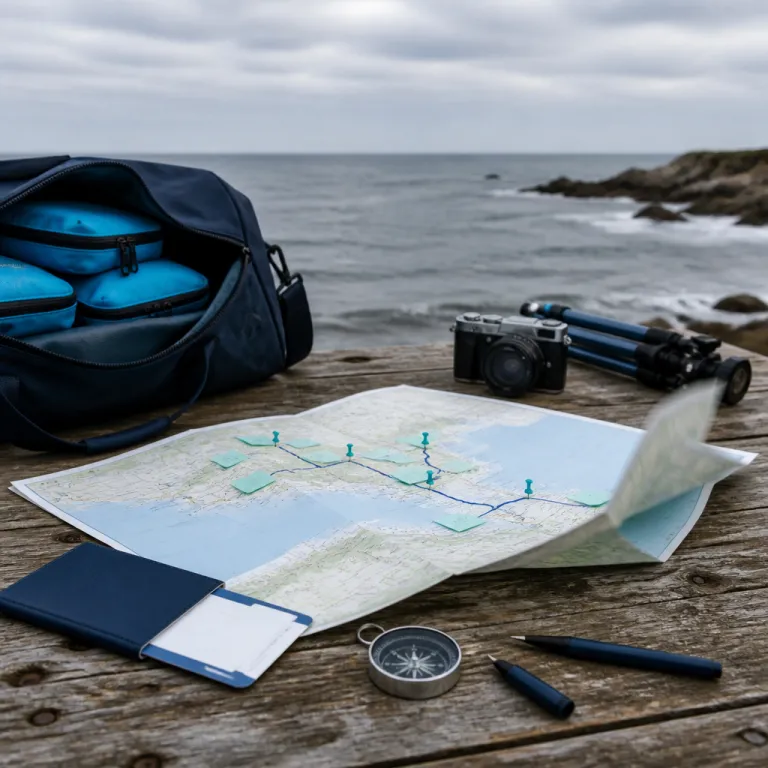
Why travel itinerary planning tips for beginners start with clear goals
Every effective travel itinerary begins with a precise reason for the trip. When you clarify whether the destination will serve relaxation, professional learning, or business development, you immediately plan your time and budget with more confidence. This clarity becomes the starting point that shapes each day, each activity, and every choice of places to visit.
For people who want to improve skills and knowledge in travel and tourism, a trip is also a training ground. You can plan a travel destination not only for leisure but also to study how local agencies design a trip plan, how guides structure activities, and how visitor flows move through a national park or an urban district. Treat each itinerary as a live case study and you will return with practical insights that help plan better trips for your own clients.
Before you plan trip details, write down three learning objectives. One objective might be to find best practices in sustainable travel planning, another to analyse how a city manages peak trip time, and a third to observe how hotels organise guest activities during a short stay. For example, you might decide to compare how two different museums handle visitor queues or how one coastal resort communicates environmental rules. Keep reading with these objectives in mind and your travel itinerary planning tips for beginners will quickly evolve into a professional framework for running your travel business.
Researching the right destination as a professional starting point
Choosing a destination is never random when you work in travel and tourism. You should search for a travel destination that matches your learning goals, whether that means a coastal resort, a cultural capital, or a remote national park with strict conservation rules. When you analyse how different places visit and manage tourism, you sharpen your own planning trip skills.
Begin with classic research: read tourism board reports, study seasonality, and compare accessibility by train or plane. Then use digital tools such as Google Maps and specialised travel apps like Google Travel or Rome2Rio to map key places to visit, estimate trip time between districts, and identify lesser known neighbourhoods that your future clients will love. This combination of qualitative research and precise mapping will help plan both a personal itinerary and future products for your agency.
Cultural awareness should guide every destination set decision you make. When you evaluate a city, ask how local customs, language, and heritage shape the visitor experience, and use resources on cultural awareness as the real passport for meaningful travel to deepen your understanding. These habits turn basic travel itinerary planning tips for beginners into a disciplined research method that supports ethical, respectful, and commercially sound trip planning.
Structuring each day trip for learning, enjoyment, and flexibility
Once the destination is chosen, the next step is to structure each day trip with intention. A professional trip plan balances must see attractions, quieter moments, and unstructured time to explore, so that travellers stay energised instead of exhausted. For beginners, a simple rule works well: one major activity, one secondary visit, and one flexible block per day.
Start by listing the essential activities and places to visit that match your learning goals, such as a local market, a museum, or a national park visitor centre. Then estimate realistic trip time between these points using Google Maps, remembering that urban traffic, queues, and photo stops will extend the theoretical duration. For instance, a sample day in Barcelona might look like this: 9:00–10:00 metro from your hotel to La Sagrada Família (about €2.55), 10:00–12:00 guided visit, 12:30–14:00 lunch nearby, 14:30–16:00 walk to and explore the Gothic Quarter, 16:00–18:00 open time for cafés or shopping. When you plan trip schedules for clients later, this habit of adding buffers will protect them from stress and protect your reputation as a reliable planner.
Flexibility is not a luxury; it is a core element of expert travel planning. Include at least one open slot each day where travellers can follow local recommendations, return to a park they love, or simply rest in a café and observe daily life. These pauses create space for spontaneous discoveries and also give you time to take notes on what works, what fails, and which travel itinerary planning tips for beginners you will refine for your next itinerary.
Using travel apps and tools as the best allies for beginners
Digital tools have transformed how professionals plan and manage every trip. A well chosen travel app becomes the best tool to centralise bookings, maps, and notes, while several complementary travel apps can handle language, currency, and public transport. When you test these tools on your own journeys, you learn which ones will truly help plan future client itineraries.
Start with one primary travel app that stores your itinerary, confirmations, and day by day trip planning overview. Many professionals use TripIt, Google Travel, or similar planners for this purpose. Combine it with Google Maps for offline navigation, walking routes between places to visit, and quick search functions to find best cafés, pharmacies, or parks near your current location. Add a route planning tool such as Rome2Rio to compare buses, trains, and flights, and a note taking app to capture on the ground observations. As you experiment, evaluate how each app supports your planning trip workflow and how easy it will be for less experienced travellers to adopt.
According to a 2023 Expedia Group survey, the average trip planning time is around 20 hours, and research from Skift and Phocuswright indicates that roughly 65% of travellers use some form of planning app or digital tool. These figures, reported in recent industry briefings and trend summaries, show why mastering digital tools is no longer optional for anyone running a travel business or designing a trip plan professionally. When you integrate these tools into your own travel itinerary planning tips for beginners, you build habits that scale from a single weekend day trip to complex multi country journeys.
Designing and packaging trips for clients who want to learn
For travel agencies and independent planners, every personal journey is also a laboratory for new products. When you plan trip experiences for clients who want to improve their skills and knowledge, you must design each itinerary as a structured learning path rather than a random list of activities. This means defining a clear starting point, a logical sequence of places visit, and a final day that consolidates the experience.
Begin by segmenting your audience according to learning goals, such as culinary travel, heritage interpretation, or sustainable tourism management. Then create a trip plan where each day trip includes one core learning activity, like a workshop or guided visit, supported by complementary experiences that reinforce the theme. For example, a food focused weekend might combine a morning market tour, an afternoon cooking class, and an evening tasting menu that highlights regional products. You can use a travel app to prototype these packages, test different versions, and measure how changes in timing or location affect the overall trip time and perceived value.
Operational discipline is essential once these itineraries move from concept to reality. Use resources such as the operations checklist for high season from a dedicated travel business operations guide to ensure that suppliers, guides, and transport partners align with your promises. When your internal travel planning is as rigorous as your marketing, clients will trust your travel itinerary planning tips for beginners and advanced travellers alike, and your packaged trips will stand out in a crowded market.
From personal bucket list to professional portfolio of itineraries
Many professionals in travel and tourism begin with a personal bucket list of destinations. Over time, this private list can evolve into a curated portfolio of itineraries that demonstrate your expertise in specific regions, themes, or types of activities. The key is to document each trip carefully so that every stay becomes reusable knowledge.
During each journey, record which places to visit generated the strongest reactions, which parks felt safe and well managed, and which activities failed to meet expectations. Note how long travellers actually spent in a national park compared with the original plan, how much unplanned time they needed, and which travel destination details they mentioned when describing what they love. These observations will help plan more accurate trip planning estimates and refine your advice on travel itinerary planning tips for beginners.
As your experience grows, your bucket list becomes less about ticking boxes and more about strategic destination set decisions. You will search for regions where you can design distinctive products, find best local partners, and create itineraries that respect both residents and ecosystems. When you treat every trip as both pleasure and research, you steadily transform your personal passion for travel into a professional catalogue of reliable, well tested itineraries.
Key statistics that shape modern travel itinerary planning
- The average trip planning time is 20 hours, which means beginners often underestimate how much time they need to research a destination, compare options, and structure each day. This estimate is supported by surveys from Expedia Group and other major online travel agencies published in 2023.
- About 65% of travellers use planning apps, showing that any professional who ignores travel apps and digital tools risks designing itineraries that feel outdated and inconvenient. Industry reports from Skift and Phocuswright highlight this steady growth in mobile trip planning and digital research.
- Industry studies consistently show that efficient planning reduces last minute issues and improves overall satisfaction, confirming that structured travel planning is as important as the destination itself. Better preparation leads to fewer missed connections, clearer expectations, and more positive reviews.
- Professionals who integrate AI driven itinerary tools report smoother coordination with local partners, especially when managing complex activities across several places to visit in one trip. Automated reminders, shared schedules, and real time updates help keep guides, drivers, and travellers aligned.
FAQ : practical travel itinerary planning tips for beginners
How should I start planning a trip as a beginner professional ?
Start by defining clear travel goals and a realistic budget, then choose a destination that matches both. From there, outline the number of days, identify a starting point, and list the main places to visit before you refine details.
What tools are most useful for itinerary planning in a travel business ?
Travel apps and online guides are the most practical tools for beginners, especially when combined with Google Maps for navigation and timing estimates. Use one main travel app such as TripIt or Google Travel to centralise your itinerary and several specialised apps for transport, language, and local activities.
How can I keep itineraries flexible without losing structure ?
Include buffer times between activities and schedule at least one open block each day for rest or spontaneous exploration. This approach keeps the trip plan organised while allowing travellers to adapt to weather, energy levels, or unexpected opportunities.
What is the best way to design trips for clients who want to learn ?
Define a learning theme, such as gastronomy or sustainable tourism, then build each day trip around one core educational activity supported by complementary visits. Document results carefully so that successful itineraries can be refined and reused as part of your professional portfolio.
How do I balance my personal bucket list with business priorities ?
Use your bucket list as a source of inspiration but prioritise destinations where you can build repeatable products and strong local partnerships. Each personal trip should generate insights, contacts, and tested routes that feed directly into your commercial travel planning.