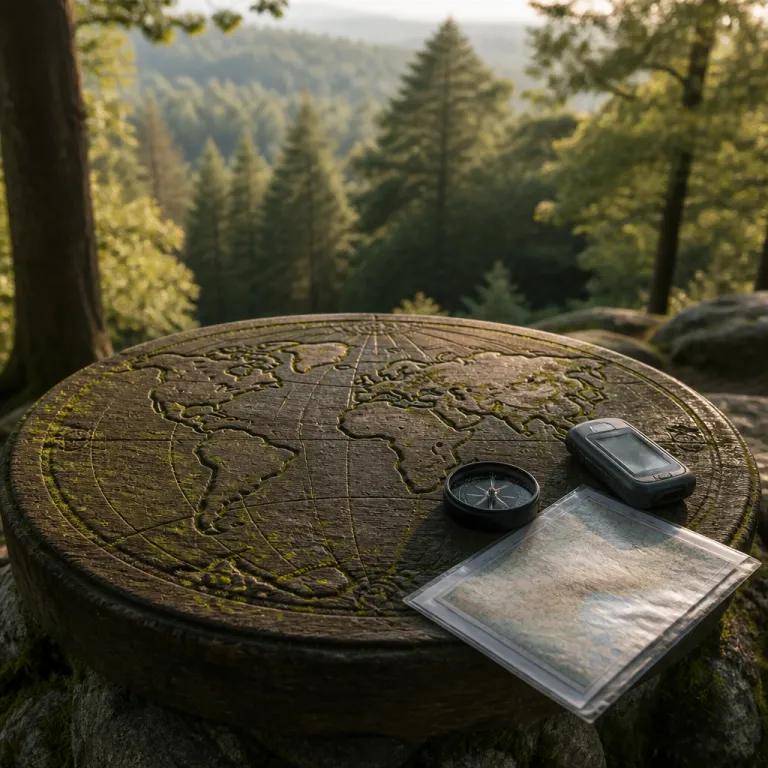
Why world geography mastery is a core travel career skill
Knowing how to improve knowledge of world geography is no longer optional for serious travel professionals. When your geographical knowledge is strong, you interpret travel trends, route networks, and cultural contexts with far greater precision, which directly improves client trust and your own decision making. Geography educators, students, and educational institutions now work together to raise geographic literacy because globalization demands that travel specialists navigate the world with confidence.
Understanding geography as both physical geography and human geography helps you explain why certain countries attract specific types of travellers, and why practices vary between neighbouring regions. You move beyond memorising a world map and start thinking geographically about data types such as climate patterns, migration flows, and airline connectivity, which shape how people move between countries and key places. This shift from simple map reading to analytical learning turns raw data collected from tourism reports into practical knowledge you can apply in itinerary design, risk assessment, and sustainable travel planning.
For travel and tourism careers, world geography knowledge also underpins credibility when answering detailed questions from demanding clients. When a traveller asks about Pacific Ocean cruise routes, capital cities for a multi stop rail journey, or which countries have complex visa rules, you must respond quickly and accurately. That level of expertise comes from deliberate learning using tools such as geography quiz platforms, a well designed quiz game app, and structured games that reinforce every country, its flags, and its capital until they feel intuitive. Well known options such as Seterra, GeoGuessr, and World Geography Games give you a reliable starting point for this kind of targeted practice.
Building a structured study plan with maps, quizzes, and games
To improve knowledge of world geography efficiently, treat it like a professional certification rather than a casual hobby. Start by mapping your current knowledge with a diagnostic geography quiz that covers all world regions, then use the results as data to design a weekly learning plan. This plan should combine studying a detailed world map, answering targeted questions about countries and regions, and revisiting weak areas through short daily sessions.
Interactive games are powerful because they transform repetition into engaging learning, especially for busy people already working in travel and tourism. Use at least one geography quiz app that offers a structured quiz game on world capitals, national flags, and map based challenges, and track how your geographical knowledge improves over several weeks. Many of these games include countries grouped by region, so you can focus on Pacific Ocean islands one week, then shift to landlocked country clusters the next, which keeps your learning varied and memorable.
Before choosing any learning app, read its privacy policy carefully, because practices vary in how user data is handled and how data collected from your quiz performance may be used. Some apps rely on in app purchases to unlock advanced question sets, extra games, or detailed analytics about your learning progress, so evaluate whether those features justify the cost. For more formal upskilling, consider short travel and tourism courses that integrate geography modules, such as the programmes described in the practical guide to short travel and tourism courses in the UK, including providers like City, University of London or the London School of Economics summer school, which can complement your self study with structured teaching.
Using human geography to understand travellers, cultures, and markets
Memorising where a country sits on a map is only the first layer of how to improve knowledge of world geography for a travel career. Human geography examines how people, cultures, economies, and political systems interact with physical places, which is exactly the lens you need when designing meaningful trips. When you analyse data types such as population density, language distribution, and urbanisation, you start to understand why some destinations attract digital nomads, while others specialise in heritage or adventure tourism.
For example, combining human geography with physical geography helps you explain to clients why coastal cities along the Pacific Ocean have distinct climate risks compared with inland capital cities, and why seasonal planning matters. You can use data collected from tourism boards, airline networks, and international organisations to answer complex questions about safety, accessibility, and cultural etiquette in each country. UN World Tourism Organization publications such as the UNWTO Tourism Highlights 2019 Edition and the UNWTO World Tourism Barometer provide concrete statistics you can translate into practical travel advice that fits your clients’ values and risk tolerance.
As you build this expertise, consider formal upskilling through travel and tourism courses with job placement, which often integrate modules on world geography, destination analysis, and market segmentation. Programmes like those outlined in the guide to travel and tourism courses with job placement, including vocational routes such as BTEC Travel and Tourism diplomas or IATA travel consultant training, can accelerate your learning by combining classroom theory with real world practice. When your geographical knowledge is backed by recognised training, employers and clients see you as a trusted authority rather than just an enthusiastic traveller.
Turning world maps, flags, and capitals into fast recall tools
Travel professionals need instant recall of countries, capital cities, and national flags, because clients expect quick, confident answers. To reach that level, you must transform the world map from a flat image into a mental model that links every country to its capital, currency, and key attractions. This is where structured games, flashcards, and spaced repetition techniques become essential tools for long term learning.
Create your own quiz game routine that cycles through map based capital questions, flags, and country outlines, using both paper maps and a reliable geography quiz app. Many geography educators recommend active recall and spaced repetition because they force your brain to retrieve knowledge repeatedly, which strengthens memory far more than passive reading. You can also use digital atlases and quiz platforms where the content includes countries grouped by region, allowing you to focus on one continent at a time until your geographical knowledge feels solid.
When evaluating any app, check whether in app purchases unlock extra question sets, advanced games, or detailed performance data, and whether the privacy policy clearly explains how data collected from your usage is stored. Some tools offer world questions that integrate physical geography, such as mountain ranges and rivers, with human geography topics like population or cultural festivals, which mirrors the complexity of real travel planning. Over time, this blend of visual maps, flag drills, and targeted questions will help you think geographically at speed, turning raw knowledge into a practical asset for your travel and tourism work.
Applying geographical knowledge to real travel planning and client work
Knowing how to improve knowledge of world geography matters most when you apply it to real itineraries, risk assessments, and client conversations. Use your understanding of physical geography to plan routes that respect climate, altitude, and distance, such as avoiding tight connections across the Pacific Ocean during cyclone seasons. At the same time, apply human geography insights to align trips with cultural calendars, political stability, and local customs, which shows clients that you respect both people and places.
Before designing a complex multi country journey, start by sketching a world map that includes countries on the route, then layer in data such as visa rules, flight frequencies, and seasonal events. Ask yourself targeted questions about each country, including how its capital connects to secondary cities, what languages are spoken, and which regions are best suited to your client’s interests. This habit of thinking geographically turns abstract data types into concrete decisions, such as choosing rail over air for certain segments, or recommending lesser known places that fit the traveller’s style.
For travel professionals building location independent careers, strong world geography knowledge is also essential for planning your own lifestyle. If you aim to work remotely while moving between countries, you need to understand time zones, connectivity, and regional hubs, which are all grounded in geography. Resources such as the guide on how to become a digital nomad traveller and build a real travel career become far more actionable when you can read a map quickly and interpret geographical data with confidence. A simple case study is a remote worker planning six months between Lisbon, Tbilisi, and Chiang Mai: by mapping flight routes, monsoon seasons, and visa stay limits in advance, they can design a realistic itinerary that balances cost, climate, and co working access.
Collaborating with educators, using data ethically, and sustaining your learning
Long term mastery of world geography for travel and tourism careers rarely happens in isolation. Geography educators, educational institutions, and professional associations now collaborate with travel companies to design learning pathways that strengthen geographical knowledge across the industry. Many initiatives focus on interactive map games, digital atlases, and structured geography quizzes, because these tools align well with how adults learn while working full time.
When you use any geography app or quiz game, remember that practices vary in how platforms handle user data, so always review the privacy policy and understand what data collected from your activity will be stored or shared. Some apps rely heavily on in app purchases to fund development, while others offer free access but gather detailed usage data types for research or marketing, which may or may not align with your preferences. Choosing tools that respect both human privacy and educational value reflects the same ethical mindset you should apply when handling client information in your travel work.
To keep your learning sustainable, schedule regular sessions where you answer world questions, revise country locations, and test yourself on capital cities, national flags, and map based challenges. Combine solo study with peer learning by joining study groups of people in travel and tourism who also want to improve knowledge of world geography, so you can share games, questions, and best practices. As one widely cited finding reminds us, the National Geographic–Roper Public Affairs Geographic Literacy Study (2006) reported that 63 % of young Americans could not locate Iraq on a map, which underlines how rare strong geographic literacy still is and how much of a competitive advantage it offers to committed professionals.
Key statistics on world geography literacy for travel professionals
- The 2006 National Geographic–Roper Public Affairs Geographic Literacy Study reported that 63 % of surveyed young Americans could not locate Iraq on a map, highlighting a significant gap in basic world geography knowledge among the general population.
- Geography based games and quiz platforms have seen sustained growth in usage over recent years, reflecting a broader shift toward gamified learning tools among adults seeking to learn while working in demanding sectors such as travel and tourism.
- Educational initiatives that combine interactive map games, digital atlases, and spaced repetition techniques consistently report higher retention of capital cities, national flags, and country locations compared with traditional textbook only approaches.
- Globalisation and the expansion of international tourism have increased the demand for professionals with strong geographical knowledge, as travel companies now serve clients who expect nuanced advice on different countries, regional risks, and cultural contexts.
FAQ about improving world geography knowledge for travel careers
What are the most effective methods to learn world geography for travel work ?
Interactive map games, studying both physical and political maps, and using active recall with spaced repetition are among the most effective methods to learn world geography for professional purposes. Combining a structured geography quiz app with paper maps and regular quiz game sessions helps you memorise countries, capitals, and flags efficiently. This blended approach turns abstract data into practical knowledge you can use with clients.
Why is strong geographical knowledge important in travel and tourism careers ?
Geographical knowledge allows you to interpret global events, understand cultural diversity, and design safe, efficient itineraries for clients. When you can answer detailed questions about different countries, regional risks, and seasonal patterns, you build trust and authority. Employers also value staff who can think geographically about markets, routes, and emerging destinations.
Which tools are most useful for improving knowledge of world geography ?
Digital atlases, geography quizzes, and educational apps that include countries grouped by region are especially useful for structured learning. Look for a geography quiz app with clear explanations, varied games, and transparent privacy policy information about how data collected from your usage is handled. Combining these tools with traditional maps and guidebooks gives you both depth and context.
How can I integrate geography learning into a busy travel job schedule ?
Short, focused sessions of 10 to 15 minutes using quiz games or flashcards fit easily between client calls or itinerary planning tasks. You can dedicate each day to a specific theme, such as world capitals, national flags, or Pacific Ocean islands, which keeps learning manageable. Over time, this consistent routine builds strong world geography knowledge without overwhelming your schedule.
Should I pursue formal courses to strengthen my world geography skills ?
Formal courses in travel and tourism that integrate geography, destination analysis, and human geography can accelerate your progress and provide recognised credentials. Many programmes now combine classroom learning with practical projects that require you to apply geographical knowledge to real itineraries and market research. This combination of theory and practice is especially valuable if you aim for leadership roles or specialised advisory positions in the travel industry.
References
- National Geographic–Roper Public Affairs Geographic Literacy Study, 2006.
- UN World Tourism Organization (UNWTO), Tourism Highlights 2019 Edition.
- UN World Tourism Organization (UNWTO), World Tourism Barometer, various years.
- Royal Geographical Society resources on geography education and literacy.
Micro-exercise: a 10-minute daily geography drill for travel professionals
To turn theory into practice, try this quick routine for one week:
- Minute 1–3: Pick one world region and point to each country on a blank or low detail map, saying the country name aloud.
- Minute 4–6: Use a quiz app to test yourself on the capitals and flags of those same countries.
- Minute 7–8: Note two practical travel facts for one country (for example, main hub airport and peak season).
- Minute 9–10: Write one client style question you could now answer better (such as a route choice or climate concern) and briefly outline your response.
Repeating this short exercise daily builds fast recall and helps you connect geographic facts directly to real travel decisions.